
1. Understanding Louvered Pergolas
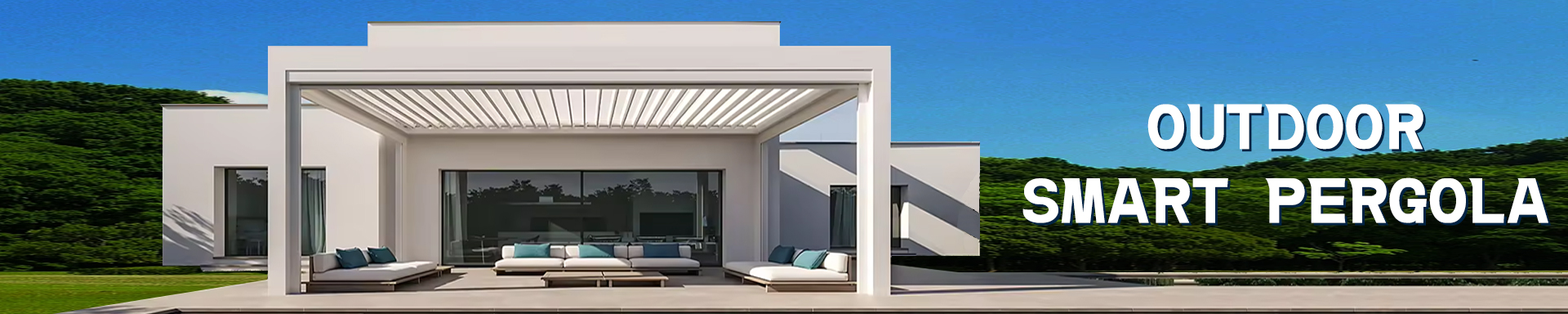
Louvered pergolas are transforming the way homeowners enjoy outdoor spaces. Unlike traditional pergolas, these structures feature adjustable slats that let you control sunlight, ventilation, and privacy throughout the day. For anyone considering enhancing their backyard or patio, a louvered pergola provides unmatched flexibility and modern aesthetics. Homeowners increasingly prefer these systems because they combine style, functionality, and durability in a single investment.
1.1 What Is a Louvered Pergola?
A louvered pergola is an outdoor structure with horizontal slats, or louvers, that can be tilted to open or close depending on your needs. These louvers are typically made from aluminum, wood, or composite materials, with aluminum being the most popular for its resistance to corrosion and low maintenance. Unlike fixed pergolas, louvered designs allow you to:
-
Adjust sunlight exposure throughout the day.
-
Increase airflow during hot summer months.
-
Protect outdoor furniture from rain while still enjoying an open-air feeling.
For example, many modern homes now feature an Aluminum pergola house setup where the pergola seamlessly extends the living space into the backyard, creating a versatile area for dining, relaxation, or entertainment.
1.2 Key Features and Components
Every high-quality louvered pergola includes a combination of components that ensure durability and ease of use. The main parts include:
-
Adjustable Louvers: Let you control sunlight, shade, and rain protection.
-
Frame Structure: Typically aluminum or powder-coated steel for longevity.
-
Support Posts: Securely anchor the pergola to the ground.
-
Motorization System (optional): Enables automated opening and closing of louvers.
When comparing different louvered pergola systems, several parameters influence your choice. Here's a quick overview:
| Feature | Aluminum Pergola | Wooden Pergola | Motorized Options |
|---|---|---|---|
| Material Durability | High | Medium | High |
| Maintenance Requirement | Low | High | Medium |
| Adjustability | Full | Limited | Full |
| Average Lifespan (Years) | 20+ | 10–15 | 20+ |
This table highlights why aluminum-based options dominate the market, especially for homeowners looking for long-term outdoor solutions. Many properties now install Aluminum motorized pergola systems for effortless control over shade and rain protection.
1.3 Benefits of Installing a Louvered Pergola
Installing a louvered pergola offers practical and aesthetic advantages. Here are the main benefits:
-
Full Control of Sunlight and Rain: Adjust the louvers to let in the perfect amount of sunlight or provide complete shelter during rain.
-
Extended Outdoor Living Space: Turn your patio or backyard into a comfortable area for dining, reading, or entertaining guests.
-
Energy Efficiency: By controlling sunlight, you can naturally reduce heat entering your home, lowering air conditioning costs.
-
Durability and Low Maintenance: Aluminum structures resist rust, warping, and insect damage, making them ideal for long-term use.
A typical scenario could be a family hosting a summer gathering under a Aluminum Modern Gazebo adjacent to the main house. The adjustable louvers let them enjoy morning sun for breakfast and provide full shade during a hot afternoon barbecue, demonstrating how functional and versatile these structures can be.
2. Types of Louvered Pergolas
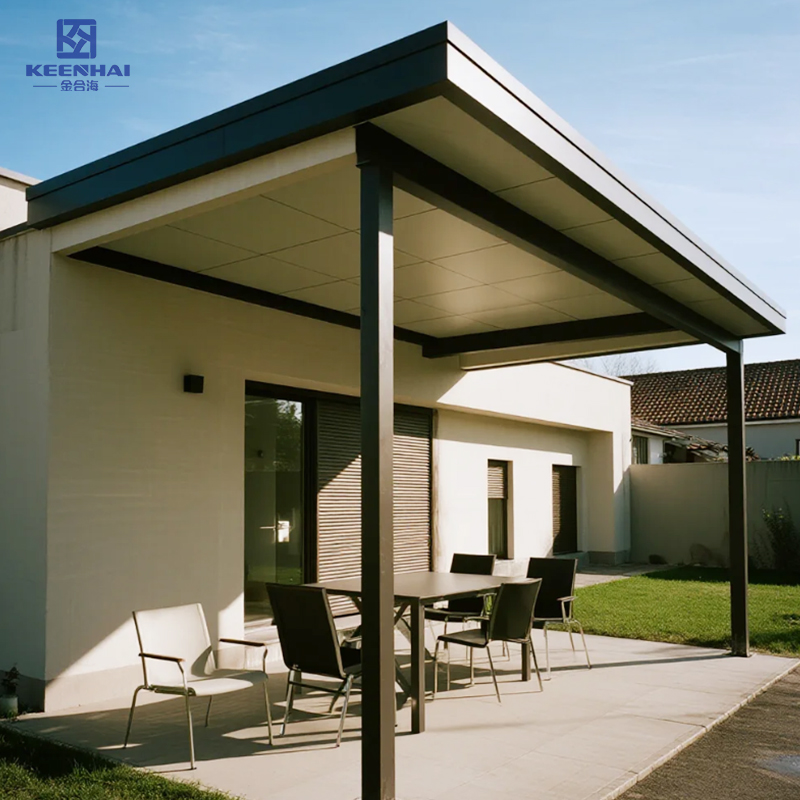
Louvered pergolas come in several distinct types, each designed to meet specific functional and aesthetic needs. Understanding these differences is crucial before making a purchase. From manual systems to fully automated designs, your choice affects usability, maintenance, and overall investment value.
2.1 Manual vs Motorized Louvers
Manual louver systems rely on hand-crank or pulley mechanisms to adjust the slats. They are affordable, simple to maintain, and durable, making them a solid choice for smaller outdoor spaces or areas with minimal automation requirements. In contrast, motorized louvers use electric motors to open or close the slats at the push of a button, often integrated with remote control or smart home systems.
Here’s a practical comparison of the two types:
| Feature | Manual Louvers | Motorized Louvers |
|---|---|---|
| Cost | Low | Medium to High |
| Ease of Use | Requires Physical Effort | One-touch Operation |
| Integration with Smart Home | Limited | Full |
| Maintenance | Minimal | Moderate (Motor Servicing) |
| Lifespan | 15–20 years | 20+ years |
Motorized systems, like those in Aluminum automated pergola setups, are particularly popular for homeowners who want effortless control of shade and ventilation throughout the day.
2.2 Aluminum vs Wood Structures
Material choice plays a significant role in the longevity, appearance, and maintenance of your pergola. Aluminum structures are lightweight, rust-resistant, and virtually maintenance-free, making them ideal for modern residential installations. They hold up well under extreme weather and don’t warp or crack like natural wood.
Wood pergolas offer a classic, warm aesthetic but require regular treatment to prevent rot, insect damage, and UV degradation. For homeowners who prefer a contemporary look with minimal upkeep, aluminum remains the superior choice. Many properties now install aluminum frameworks to match the modern architecture of their homes while achieving long-lasting durability.
2.3 Retractable vs Fixed Louver Designs
Retractable louver designs allow homeowners to adjust the angle or fully retract the slats, giving maximum flexibility for controlling light, rain, and airflow. Fixed louver designs, on the other hand, remain in a permanent angle or position, offering consistent shade but less adaptability.
Consider these points when deciding:
-
Retractable louvers increase usability across different weather conditions.
-
Fixed louvers require fewer moving parts, slightly reducing initial costs and long-term maintenance.
-
Many modern patios now incorporate Aluminum motorized pergola systems with retractable louvers, which automatically tilt or close based on sunlight or rainfall, providing convenience and enhancing the outdoor experience.
Selecting the right type of louvered pergola depends on your outdoor space, budget, and desired level of automation. While manual and fixed options suit smaller, more traditional setups, motorized and retractable aluminum pergolas cater to homeowners who want high flexibility, modern aesthetics, and long-term durability.
3. Choosing the Right Size and Style
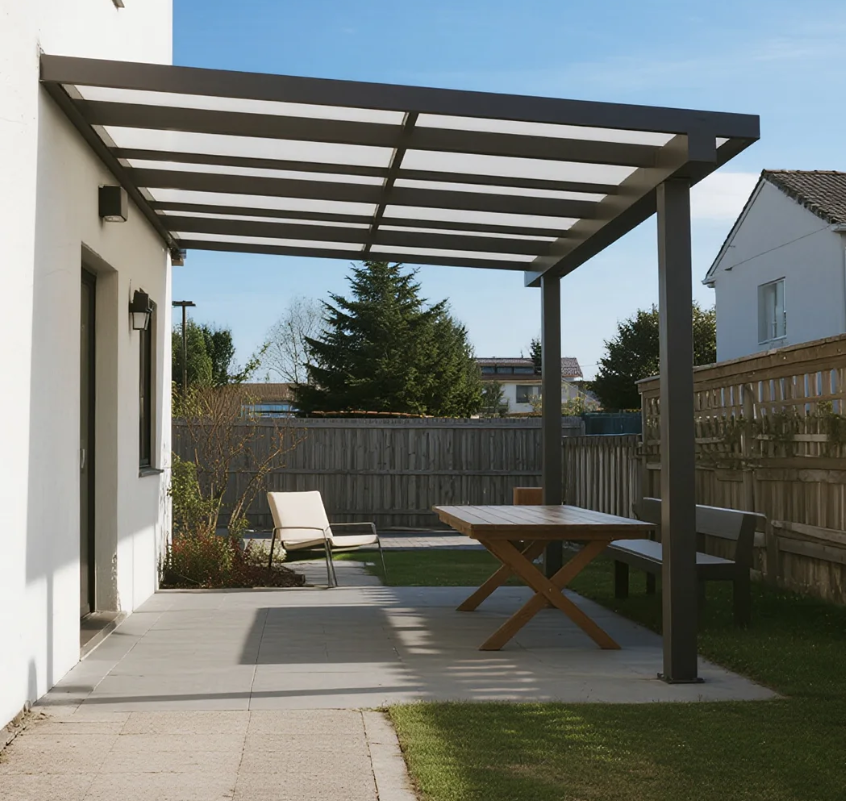
Selecting the correct size and style for a louvered pergola is crucial to ensure it complements your outdoor space while providing maximum functionality. A pergola that’s too small feels cramped, while one that’s oversized can overwhelm your patio or garden. Proper planning and accurate measurements make a huge difference in both aesthetics and usability.
3.1 Measuring Your Outdoor Space
Before purchasing a pergola, follow these steps to measure your area accurately:
-
Define the Boundaries: Identify the exact space where you want to install the pergola, including distances from walls, fences, and other outdoor structures.
-
Measure Length and Width: Use a tape measure to determine the dimensions. For large patios, consider breaking the space into sections to ensure precision.
-
Account for Height: Standard louvered pergolas range from 8 to 12 feet high. Measure ceiling clearance if the pergola will attach to the house.
-
Consider Furniture and Walkways: Make sure there’s enough room for seating, dining sets, or pathways without overcrowding.
By following these steps, you ensure your pergola fits perfectly, creating a comfortable and functional outdoor area. Many homeowners installing an aluminum outdoor structure prefer slightly oversized designs to accommodate gatherings, yet maintain proportion with the home’s architecture.
3.2 Matching Pergola Style to Home Architecture
A pergola should blend seamlessly with your home’s architectural style. Modern residences often benefit from sleek, aluminum-based louvered systems, while traditional homes may look better with natural wood finishes. Here’s how to choose:
-
Contemporary Homes: Opt for minimalistic aluminum pergolas with straight lines and neutral colors. Many of these designs align with Aluminum pergola house installations for an integrated outdoor living space.
-
Classic or Rustic Homes: Wooden pergolas or powder-coated aluminum with textured finishes complement the natural aesthetic.
-
Mixed Styles: A combination of metal framing with wood accents can harmonize with transitional architecture.
A practical tip is to look at your roofline, siding, and landscaping elements. Matching structural materials, colors, and proportions creates a cohesive outdoor environment that feels intentional rather than forced.
3.3 Custom vs Pre-Made Options
Choosing between custom-built and pre-made pergolas depends on budget, design requirements, and installation complexity:
-
Pre-Made Pergolas: Delivered in standard sizes with pre-assembled components. They are cost-effective, quicker to install, and ideal for standard patios.
-
Custom Pergolas: Tailored to your exact dimensions, materials, and style preferences. They allow for unique features such as integrated lighting, automated louvers, or extended coverage areas.
| Feature | Pre-Made Pergola | Custom Pergola |
|---|---|---|
| Installation Time | 1–3 Days | 1–2 Weeks |
| Design Flexibility | Limited | Full |
| Cost | Moderate | Higher |
| Material Options | Standard | Aluminum, Wood, Mixed |
| Longevity | 10–20 Years | 20+ Years |
For homeowners seeking modern, fully adjustable solutions, custom options often include motorized or automated louver systems, similar to Aluminum motorized pergola designs. These setups provide ultimate flexibility, allowing louvers to tilt or fully close at the touch of a button while maintaining perfect proportion with the home’s architecture.

4. Cost Considerations and Budgeting
Understanding the costs involved in a louvered pergola installation is essential to avoid surprises and plan effectively. Prices vary widely depending on size, material, and additional features, but a well-planned budget ensures you get maximum value without compromising quality.
4.1 Average Price Ranges
The price of a louvered pergola typically ranges from $3,500 to $15,000 for residential installations, with smaller 10x10 ft units at the lower end and larger 20x20 ft custom aluminum pergolas at the higher end. For homeowners opting for fully automated systems, prices can climb further, reflecting the cost of motors, smart controls, and premium finishes.
Here’s a rough guideline:
-
Small, manual aluminum pergolas: $3,500–$5,500
-
Medium-sized motorized units: $6,000–$9,000
-
Large, custom automated systems: $10,000–$15,000+
These estimates help you align expectations with your outdoor space requirements and ensure your investment covers both functionality and aesthetics.
4.2 Factors Affecting Cost (Material, Size, Features)
Several elements significantly influence the final price of a louvered pergola:
-
Material Choice: Aluminum frames are more expensive upfront but require less maintenance compared to wood, which can warp or need repainting over time.
-
Size of the Pergola: Larger structures naturally cost more due to increased material use and installation complexity.
-
Feature Set: Motorized louvers, integrated lighting, and automated rain sensors add both convenience and cost.
-
Installation Type: DIY installation reduces labor costs but may require additional tools and expertise, whereas professional installation ensures precise alignment and safety.
For example, many properties now install Aluminum motorized pergola systems, which combine sleek aluminum frameworks with automated functionality. While these units have higher upfront costs, the ease of operation and longevity justify the investment for most modern homeowners.
4.3 Long-Term Value and Maintenance Costs
Investing in a louvered pergola is not just about upfront cost; long-term value matters. Key points to consider:
-
Durability: Aluminum structures last 20+ years with minimal upkeep, whereas wood may require refinishing every 2–3 years.
-
Maintenance Effort: Regular cleaning of aluminum louvers keeps them functional, while motorized systems may need occasional servicing of motors and controls.
-
Energy Efficiency and Comfort: Adjustable louvers reduce direct sunlight exposure, lowering cooling costs and improving comfort, which indirectly adds value to your home.
-
Resale Appeal: High-quality, visually appealing pergolas can enhance property value and outdoor lifestyle appeal for potential buyers.
Overall, focusing on long-term benefits, maintenance efficiency, and user convenience ensures that the pergola remains a valuable addition, not just a decorative feature. Choosing durable materials and automation where appropriate provides both functional and financial returns over time.
5. Installation and Maintenance Guide
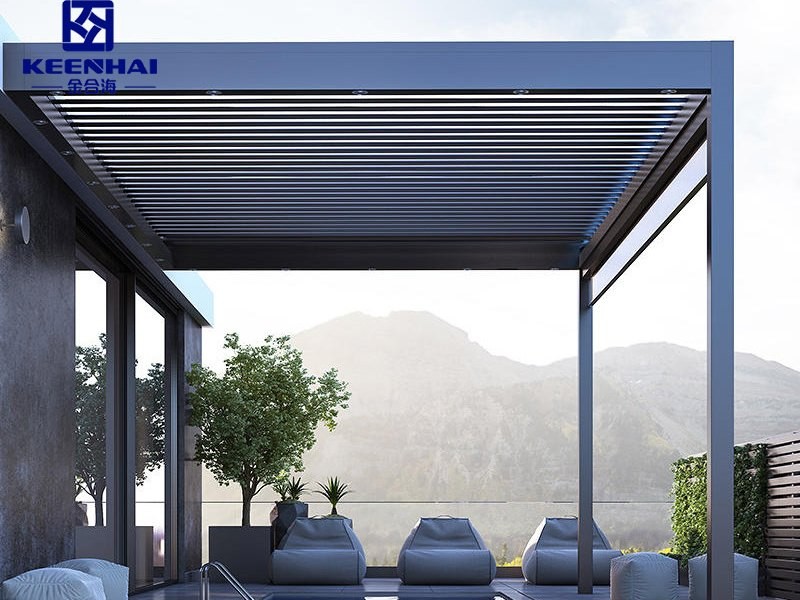
Installing and maintaining a louvered pergola correctly ensures long-term performance, safety, and aesthetic appeal. A carefully planned approach reduces future repairs and maximizes enjoyment of your outdoor space.
5.1 DIY vs Professional Installation
Deciding between DIY installation and hiring professionals depends on your skill level, tools, and pergola complexity:
-
DIY Installation: Suitable for small to medium-sized pergolas with simple manual louvers. Steps include:
-
Marking the installation area and measuring accurately.
-
Anchoring support posts using concrete or heavy-duty ground fasteners.
-
Attaching the frame structure and louvers according to the manufacturer’s guide.
-
Ensuring the pergola is level, secure, and all hardware is tight.
-
-
Professional Installation: Recommended for larger, motorized, or custom pergolas. Professionals handle:
-
Precise leveling and alignment for safety and aesthetics.
-
Wiring for automated louvers and integrating smart controls.
-
Ensuring compliance with local building codes if required.
-
Many homeowners prefer professional installation when opting for Aluminum motorized pergola systems to guarantee flawless operation and long-term reliability.
5.2 Routine Maintenance Tips for Longevity
Routine maintenance keeps your pergola functional and looking new. Key tips include:
-
Clean the Louvers Regularly: Use mild soap and water to remove dirt, pollen, and debris. Avoid harsh chemicals that could damage coatings.
-
Inspect Hardware and Fasteners: Check bolts, screws, and hinges periodically to prevent loosening.
-
Lubricate Moving Parts: For motorized systems, ensure tracks, motors, and hinges are lightly lubricated as recommended by the manufacturer.
-
Check for Water Pooling: Make sure drainage is adequate to avoid standing water, which could impact durability.
For aluminum pergolas, maintenance is minimal compared to wood, which may require periodic staining or sealing. Incorporating these practices ensures 20+ years of reliable performance for most modern louvered systems.
5.3 Adjusting Louvers for Comfort and Sunlight
Proper louver adjustment enhances comfort and maximizes the pergola’s functionality:
-
Morning Sunlight: Tilt louvers slightly open to allow soft morning light while avoiding glare.
-
Midday Heat: Fully close louvers or adjust angle to create maximum shade and reduce heat exposure.
-
Rain Protection: Close louvers completely to keep the patio or furniture dry during showers.
-
Evening Ambiance: Partially open louvers to enjoy airflow without letting in too much direct light.
Many homeowners with modern aluminum pergola setups prefer automated adjustments, which can be scheduled via remote or smart home integration, providing effortless comfort throughout the day.